July 20, 2026
The allure of a crackling fire during chilly evenings provides a sense of comfort and warmth that modern heating systems struggle to replicate. Whether heating a rustic cabin or a suburban home, a fireplace serves as a central gathering point, offering both functional thermal relief and aesthetic beauty. However, behind the soothing flames lies a complex ventilation structure designed to safely channel intense heat, toxic gasses, and airborne particulate matter out of the living space. Because this venting system operates mostly out of sight, homeowners often overlook the hidden hazards that accumulate within the flue over time. Maintaining a safe fireplace requires a deep understanding of combustion physics and structural engineering, making proper maintenance a critical aspect of household safety.
When wood or alternative fuels burn, the byproduct of that combustion travels upward through the exhaust channel. As these gasses cool along the journey, they leave behind stubborn, chemical residues on the inner structural linings. Without professional intervention, this accumulation slowly restricts the ventilation pathway, creating a compounding cycle of performance degradation and elevated fire risks. While the modern consumer marketplace offers a wide array of retail brushes, vacuums, and chemical logs aimed at independent maintenance, the reality of managing venting health is far more demanding than it appears. Handing this intricate task over to qualified professionals safeguards the structural stability of the property and protects residents from invisible atmospheric hazards.
Eliminating Creosote Accumulation Hazards
The primary threat to any residential venting system is the progressive accumulation of creosote, a highly flammable chemical substance created by incomplete wood combustion. This material gathers on the inner masonry or metal surfaces in various distinct structural stages, beginning as a flaky soot deposit and eventually transforming into a dense, tar-like glaze. This hardened glaze is incredibly difficult to remove without specialized scraper tools and heavy-duty industrial solvents. If left unaddressed, a stray spark rising from the hearth can easily ignite these deposits, fueling an intense, destructive structural fire that burns entirely hidden inside the walls of the home.
Standard consumer cleaning tools are fundamentally incapable of breaking down and removing this advanced, glass-like chemical glaze. Professionals possess the specialized rotational equipment and targeted chemical neutralizers necessary to completely strip away these dangerous layers without harming the fragile underlying flue tiles. Investing in comprehensive chimney cleaning ensures that these hidden fuel sources are systematically eliminated before they can cause catastrophic property damage. Certified technicians know exactly how to identify the subtle differences between harmless soot and highly volatile glazed deposits, applying the precise amount of mechanical force required to restore a completely bare and safe interior surface.
Discovering Structural Internal Damages
A venting system is subjected to extreme thermal fluctuations, expanding rapidly when a fire is lit and contracting as the system cools down. This perpetual thermal movement places immense stress on internal clay tiles, metal liners, and mortar joints, frequently causing hidden hairline fractures, structural shifting, or dangerous gaps to develop. When independent operators attempt to clean their own flues, they lack the specialized closed-circuit camera systems required to inspect the entire vertical length of the dark, enclosed passage. Consequently, major structural vulnerabilities remain entirely unseen, leaving the household exposed to severe operational hazards during the next fire.
Professional technicians incorporate thorough diagnostic imaging as a standard component of their maintenance protocol. They lower specialized high-definition cameras down the shaft to examine every single seam and joint for hidden decay. According to The Spruce, chimneys should be cleaned at least once a year, or more often if heavily used or signs like creosote buildup or smoke issues appear. During these routine structural assessments, a technician can detect microscopic cracks that would otherwise allow intense heat or stray sparks to escape into the wooden frame of the house. Catching these structural flaws early prevents minor issues from escalating into incredibly expensive reconstruction projects.
Preventing Lethal Carbon Monoxide Poisoning
The foremost operational purpose of a residential flue is to safely extract toxic combustion byproducts, including carbon monoxide, which is entirely colorless, odorless, and completely undetectable by human senses. When a venting pathway becomes even partially obstructed by debris, soot, or animal nests, the normal upward draft is severely disrupted. This restriction forces hazardous, toxic fumes back downward, spilling them directly into the living spaces of the home. Exposure to these trapped gasses poses a severe, immediate health risk to all inhabitants, often causing subtle neurological symptoms before anyone realizes a leak is occurring.
Regular, methodical maintenance acts as a definitive barrier against this silent atmospheric threat. Expert chimney cleaning guarantees that the exhausting passage remains completely clear of any physical blockages, maintaining the strong, steady draft required to lift dangerous gasses safely away from the living quarters. Professional cleaners are fully trained to inspect the critical dampers and intake vents that regulate this airflow, ensuring that the entire physics of the ventilation loop functions exactly as the original engineers intended. This meticulous care provides absolute peace of mind that the indoor air quality remains healthy and entirely free of toxic fumes.
Eradicating Wildlife Flue Obstructions
During the warmer months when fireplaces sit dormant, local wildlife species frequently view the warm, sheltered vertical shaft of a flue as an ideal nesting site. Birds, squirrels, raccoons, and bats commonly build intricate nests inside the upper sections of the ventilation system, introducing highly flammable organic matter like twigs, dried leaves, and animal fur into the channel. Homeowners who light a fire without checking for these hidden natural blockages will quickly find their living rooms filled with heavy, blinding smoke, or worse, they may inadvertently ignite the dry nesting material itself.
Removing an animal obstruction requires specialized handling, as these nests often contain aggressive wildlife, sharp nesting materials, and biohazardous waste. Professional crews arrive equipped with heavy-duty protective gear, specialized removal hooks, and the proper sanitation chemicals needed to neutralize any lingering bacteria or parasites safely. By scheduling a professional chimney cleaning, property owners ensure that these natural blockages are fully extracted without causing damage to the internal dampening mechanics. Furthermore, technicians can install heavy-gauge stainless steel mesh caps to permanently prevent wildlife from re-entering the space.
Minimizing Hazardous Dust Contamination
The process of dislodging accumulated soot and creosote naturally releases millions of microscopic, black carbon particles into the immediate surrounding air. When untrained individuals attempt to perform a chimney cleaning on their own, they typically end up coating their carpets, furniture, and walls in a fine layer of greasy, toxic soot that is incredibly difficult to clean.
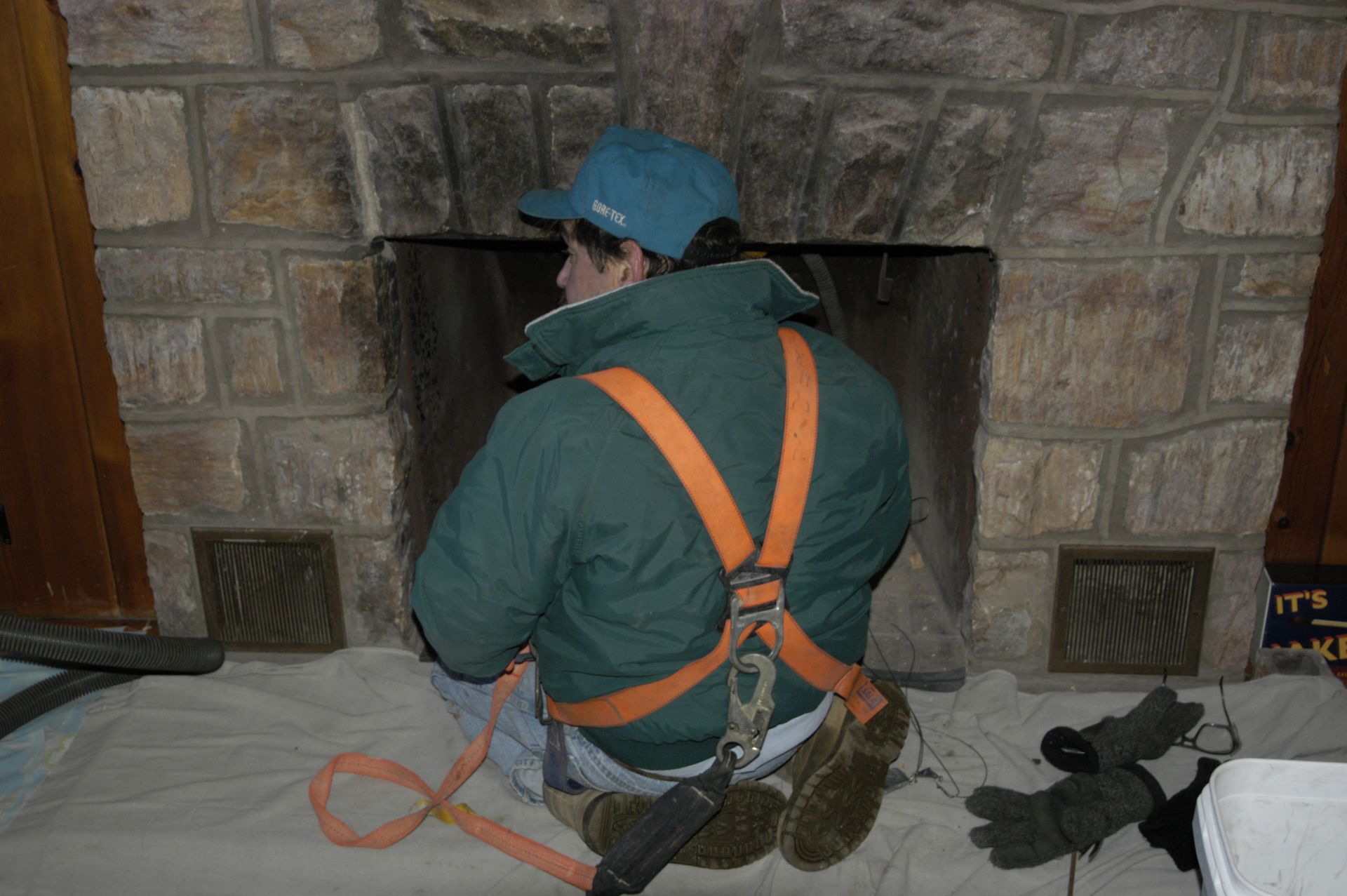
True professionals employ advanced, high-efficiency particulate air vacuum systems designed specifically for high-volume soot containment. They meticulously seal off the entire fireplace opening with heavy plastic sheeting and establish negative air pressure zones before a single brush ever touches the flue. This complex containment strategy ensures that every speck of dislodged carbon dust is instantly captured and drawn directly into sealed industrial containment units. Choosing an experienced professional for your chimney cleaning completely shields your household belongings and lungs from the messy, toxic airborne residue that independent cleaning inevitably produces.
The comfort and emotional warmth provided by a functional home fireplace are undeniable, but enjoying these benefits requires an absolute commitment to proper maintenance. Attempting to bypass professional service with retail tools introduces unnecessary risks to your property, your financial security, and the physical health of your loved ones. Complete safety requires specialized technical equipment, rigorous training, and a deep understanding of structural combustion mechanics. We at American Eagle 1 Chimney Service are fully dedicated to providing the precise care and meticulous inspections needed to keep your home safe, ensuring that your fireplace remains a source of pure comfort and security for many years to come. Contact us today to learn more.